
It started innocently enough. I wasn't feeling well, and like any self-respecting formulator, I did what any reasonable person would do. I made shower steamers. Menthol crystals, eucalyptus, peppermint. The kind that hit you the second the hot water starts and make you feel like your respiratory system has been professionally power-washed. They are fantastic and I stand by every single one of them. I never expected they would lead me to accidentally invent the best natural oven cleaner I have ever used.
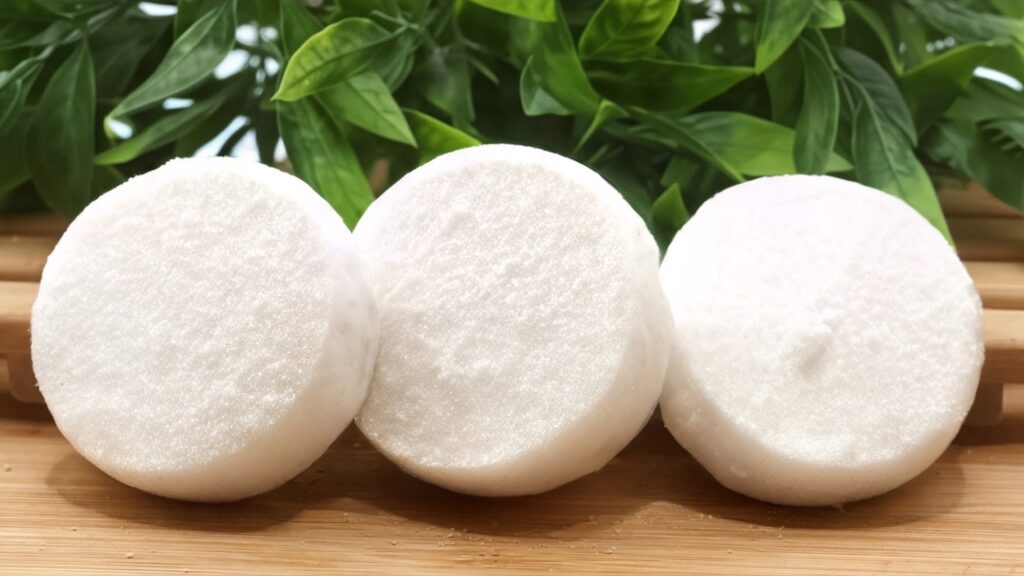
What I did not stand by was washing the silicone molds and putting them straight into the dishwasher on the sanitation cycle.
If you have never experienced what happens when menthol and eucalyptus residue gets blasted through a dishwasher at high heat and redistributed throughout your home in a fine aromatic mist, let me paint you a picture. I ran that dishwasher three times. Three. The house smelled like a eucalyptus forest had taken up permanent residence in my kitchen. My sinuses were, admittedly, very clear.
But my dishwasher was not.
Why I Needed a Natural Degreaser
So I did what I do. I went to the lab. I needed a degreaser that could cut through essential oil residue, silicone buildup, and whatever else had decided to make a home inside my appliances. I wanted it to be non-toxic, biodegradable, and actually effective. No synthetic surfactants, no fumes that require opening every window in the house, no ingredients I wouldn't want anywhere near my skin or Scrappy's paws.
The Hero Ingredient: Potassium Carbonate
After several attempts and a lot of pH testing, I landed on potassium carbonate as my hero ingredient. Potassium carbonate is an alkaline salt derived from plant ash that has been used as a cleaning agent for centuries, long before the chemical industry decided we needed something with a warning label on every surface. At high pH it is a powerhouse degreaser. And here is the part that genuinely delighted the formulator in me: when it reacts with grease and oil, it saponifies it. It literally turns the grease into soap. The grime does not just lift. It transforms.

I will spare you the details of how many failed batches it took to get there. Let's just say I have a very thorough notebook and a deep appreciation for the moment when chemistry finally does what you have been asking it to do. There was a specific run where I watched the solution change right in front of me. A visible shift. I knew in that moment I had finally cracked the code. The pH was exactly where it needed to be and the formula was stable. That feeling, by the way, is why I do this.
Three Strengths, One Clean Ingredient
I made three concentrations. A gentle formula for everyday surfaces. A medium strength formula for soap scum and bathroom buildup. And a maximum strength formula for ovens, grills, and anything that has been collecting baked-on grease since the Obama administration. The max formula requires gloves and eye protection. I will always be straight with you about that. High pH demands respect. But what it does in exchange for that respect is remarkable.
I know this because I had a little left over after the dishwasher.
How to Clean an Oven Naturally
I looked at the oven.
I applied the max strength formula, left it for fifteen minutes, and came back to find the grime at the bottom had turned into what can only be described as soap. It wiped away. Years of buildup, gone. The oven was sparkling. I was genuinely delighted.
And then I looked at the door glass.
I had never cleaned the inside of the oven door glass. Not once. It was the kind of thing I had simply decided not to see. But standing there looking at a sparkling clean oven interior framed by a door that looked like it had been used to smoke a brisket for ten years, I thought: how hard could it be?
I watched one YouTube video. It showed a simple two-screw removal. Easy.
Reader, that was not my oven.
When Cleaning the Oven Becomes a Seven Hour Project
Seven hours later (I want you to really sit with that number, seven hours) I had the oven door completely disassembled on my kitchen floor, glass panes separated, their aluminum frames removed and cleaned individually, hinges exposed, insulation that I had been prying out piece by piece scattered across the kitchen, and one very small locking latch on each hinge that no YouTube video had mentioned. What I did not know until later was that Scrappy had been quietly helping himself to pieces of that insulation and carrying them out to the yard. I found them later. He was very pleased with himself. I was not.
For the record, the door was reassembled on the kitchen floor. You do what you have to do.
The Results: A Ten Year Old Stove That Looks Brand New
I got it back together. The glass is clean. The oven is clean. The vent filters above the stove, which I also cleaned because at that point I had nothing left to lose, went from a color I can only describe as years of accumulated kitchen history to bright silver mesh. The before and after on those filters alone should be illegal.
This stove was a gift from a dear friend's family. It has fed me for ten years. It deserved better than I had been giving it.
The degreaser worked. Incredibly well. That part was never in question.
The Moral of the Story
This story is not really about the product. The product is genuinely excellent, and I am proud of every formula in the Abiding Home line. The moral is that when you are a solo formulator who makes things that work, you will inevitably test them on your own home, get remarkable results, and then spend seven hours on a project that started with two screws and ended with a locking hinge latch that one very specific YouTube video could have shown you in thirty seconds.
The Extreme Clean Degreaser is coming to the Abiding Home line. Three strengths, one hero ingredient, and absolutely no reason to spend seven hours on your kitchen floor.
Your oven is ready. Just maybe watch two YouTube videos first.
0 Comments